
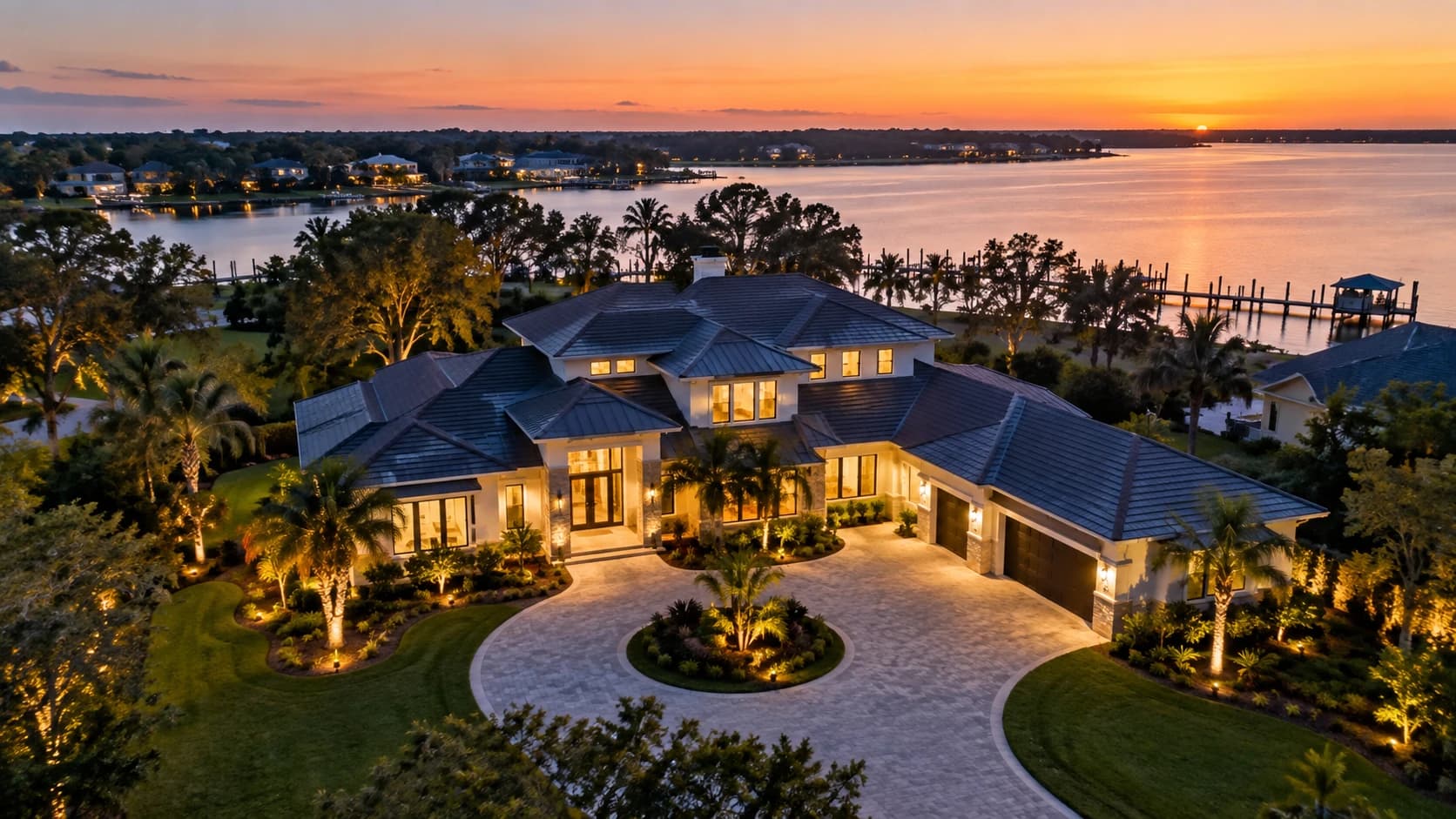
Real Estate
More Than a Place to Live. A Piece of What You're Building.
For many people, owning real estate is about more than having a roof over their heads. A home or property can represent stability, independence, ownership, opportunity, and a long-term financial asset.
Everyone's reasons for purchasing real estate are different. Some people want a place to call home. Others are interested in building an investment portfolio or creating an additional source of potential income.
While real estate ownership comes with responsibilities, costs, and risks, it can also play an important role in an individual's or family's overall financial picture. Here are some of the reasons people consider owning real estate:
Home Ownership
A Place to Call Your Own
Owning a home can provide a sense of stability, independence, and permanence for you and your family. It's more than an address—it's a place where you can build memories, create roots, and shape a space around the way you live. For many people, becoming a homeowner is also an important personal and financial milestone.
Potential Long-Term Appreciation
The Potential to Grow in Value
Real estate values can change over time. Depending on factors such as location, market conditions, property characteristics, and economic conditions, a property may increase or decrease in value. Some buyers consider the potential for long-term appreciation when deciding whether a property fits their goals. Appreciation is never guaranteed, which is why understanding the local market and evaluating a property carefully is important.
Building Equity
Turning Payments Into Ownership
When you finance a property, each mortgage payment may contribute toward building equity—the portion of the property you own. As your loan balance decreases, your equity may increase, although property values and other factors can affect your overall ownership stake. For many homeowners, building equity is an important part of their long-term financial picture.
Potential Rental Income
Turning Property Into an Opportunity
Some people purchase real estate with the intention of renting it to tenants. A rental property may provide potential rental income, which can be considered as part of a broader financial strategy. However, rental ownership also comes with expenses and responsibilities, including maintenance, taxes, insurance, financing, vacancies, and property management. Understanding both the potential benefits and the costs is an important part of evaluating an investment property.
Diversification
Adding Real Estate to the Bigger Picture
Real estate can be one component of a diversified approach to building and managing assets. For some individuals, owning property alongside other financial assets may provide another way to participate in the real estate market. The right mix depends on your individual circumstances, goals, financial resources, and risk considerations.
Long-Term Wealth-Building Considerations
Thinking Beyond Today
For many families, real estate is considered as part of a longer-term financial plan. Whether it's a primary residence, rental property, or another type of real estate, ownership can become one component of a person's broader approach to building assets over time. The goal isn't simply to own property. It's to understand why you're buying it, how it fits into your overall goals, and what responsibilities come with ownership.
Generational Wealth
Building Something That Can Continue Beyond You
For some families, property ownership is about more than the present. Real estate may become part of a family's long-term legacy and, depending on the owner's plans and estate arrangements, may eventually be passed to children or other family members. That's why some people view property ownership not only as a personal milestone, but also as something that can become part of their family's future.
An Asset You Can Potentially Pass On
Something Tangible for the Future
Real estate is a tangible asset that can potentially be transferred to heirs as part of an estate plan. A property may carry both financial and personal significance—a home where memories were created, land that has been held for years, or an investment that became part of a family's assets. How property is transferred depends on ownership structure, applicable laws, taxes, and estate-planning arrangements.
Real estate values, appreciation, and investment results are not guaranteed. Past performance is not indicative of future results. All real estate transactions are subject to market conditions.
Real Estate Is Personal
There is no single reason everyone should own real estate.
For one person, it may be about finding the right home. For another, it may be about building equity. For someone else, it may be about exploring investment opportunities. And for another, it may simply be about having greater control over where they live.
The important question isn't simply, “Should I own real estate?”
It's “What role could real estate play in my goals?”
That's a conversation worth having before making one of the biggest financial decisions of your life.
Let's Talk About Your Real Estate GoalsReady to Explore Ownership?
Schedule a complimentary consultation to discuss your goals. No pressure, just a clear conversation about what's possible.